
We all know (and hate) scams, as that’s a given. (right?) Although some people, no matter how smart, can still fall for scams. This blog post is made to try and educate you about some of the types of scams, and how to avoid them. Let’s get started shall we?
What is a scam?
A scam is any type of malicious or harmful activity that gets you to do something you didn’t want to do via manipulation, impersonation, etc. Scams can be online on the web, or can be offline person to person.
What to look out for.
There are multiple types of scams that people should be aware of. One of those scams is a generic scam asking for your password on a look alike website. This type of scam can come in a lot of different appearances, but they are still pretty easy (and common unfortunately) to come across.
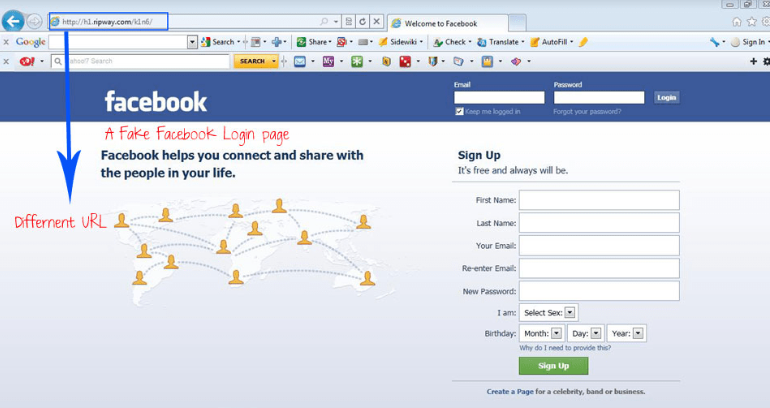
Typically a way to counter these scams is to look at the Uniform Resource Locator (URL). These will typically have a very different or similar URL to the actual website, so those are a great way to find out. Again these types of scam websites are very common to come across, and can be found just surfing the web or via email, which is a perfect lead into our next type of scam.
The next example I am going to be discussing is phishing. Phishing is any type of website or a link that leads to a website that contains malicious or harmful content to the user’s computer or device. Phishing can also, however, be lying to the person to do something that seems beneficial on their end, but in actuality is only helping the person who sent the scam. These are typically sent via email or text. A very common example of this type of scam is the scam where someone claims to be a “Nigerian Prince” asking for X amount of money to in return give you a greater sum of money than you previously sent in.
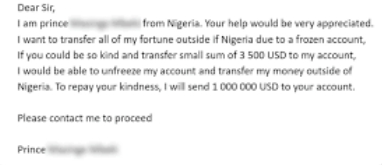
Another variation of this type of scam is when the person tries to manipulate your emotions to make you feel sympathy for them to then send in whatever they ask for out of the “goodness of your heart”. Take a look at this example.

All of these scams can also occur in person although rarer since it’s face to face. Typically what you should look out for is outlandish scenarios where it seems like you’re earning way more than you appear to be giving. Also just don’t trust any suspicious links sent by people you have no affiliation with or knowledge of, or god forbid DOWNLOAD anything from suspicious individuals or websites.
Types of malware.
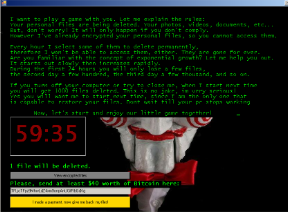
The first type of malware I’m going to be talking about is ransomware. Ransomware is a virus that encrypts your files making them inaccessible until a sum of money is paid to the hacker typically through bitcoin. If you ever get this on your computer it is recommended to NOT pay the hacker, as this makes you an easier target in the future. (And also you’re paying criminals. Not good). Even if you do pay them there is a chance that you don’t even get your files back and you just gave all that money away for nothing.
The next type of malware I’m talking about is Spyware. Unlike ransomware, spyware does not make itself immediately known, and instead hides on your pc doing exactly what the title says. Spying on you. They typically gather your information to sell for money or other goods. There isn’t really much way I know how to counter this, so just take the advice from Phishing.
Sources: